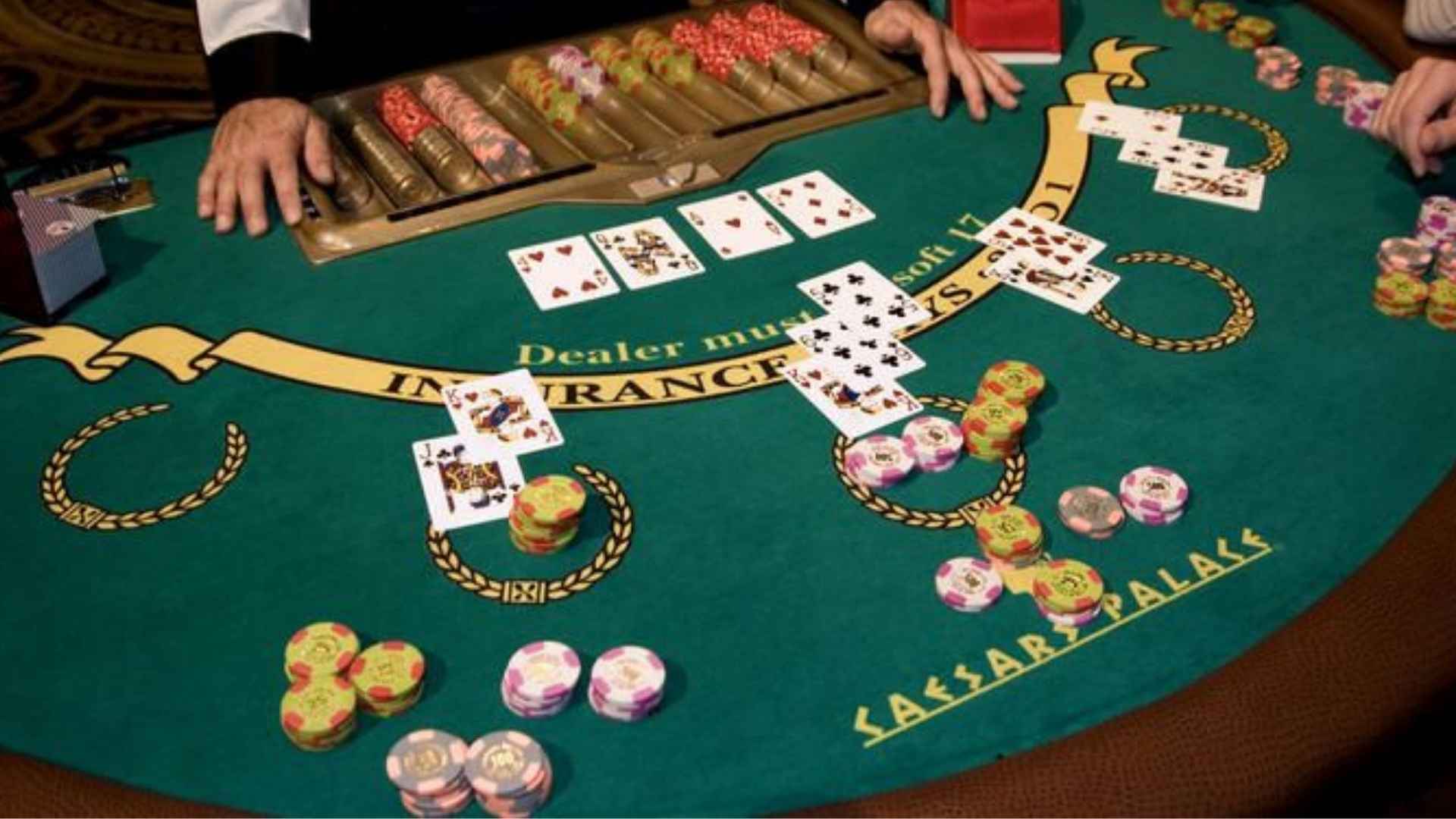
Success at the poker table requires a delicate balance between calculated aggression and patient observation. Many players struggle not because they fail to hit big hands, but because they invest too many chips into mediocre cards. Learning how to control pot sizes with average combinations is a fundamental skill that separates consistent winners from casual amateurs.
The Psychology of Mediocre Hands
Recreational participants frequently fall into the trap of overvaluing moderate holdings like middle pairs or weak top pairs. These cards often look promising on the flop, leading players to mistake absolute hand strength for relative strength against a specific opponent. This psychological bias creates a false sense of security that blinds players to potential dangers.
When you encounter significant resistance from your opponents, these marginal values rarely hold up at showdown. Consistently calling massive bets with third-best combinations will rapidly erode your available bankroll over time. Developing the discipline to fold when the situation demands it is essential for long-term sustainability.
Assessing Board Textures and Vulnerabilities
A hand that seems strong in isolation can instantly lose its appeal depending on the community cards displayed. Highly coordinated boards filled with flush and straight draws make static, mediocre combinations incredibly risky to play aggressively. Evaluating how the texture shifts with every street helps you make highly objective tactical adjustments.
If the board becomes increasingly dangerous, checking or folding is often the most sensible approach. For players looking to research secure digital platforms for their sessions, finding a reliable portal like m88 login terbaru provides an excellent environment to hone these evaluative skills. Staying alert to changing board dynamics ensures you avoid walking blindly into major traps.
The Importance of Table Position
Table position dictates how comfortably you can navigate complex scenarios with moderate cards. Acting early forces you to make decisions with minimal information, significantly amplifying the risk of overplaying your hand. Conversely, acting last grants you the leverage to control the final size of the pot much more effectively.
When you hold positional advantage, you can easily take free cards or check behind to see a showdown cheaply. Disregarding this vital asset forces you into defensive guesswork against aggressive competitors. Prioritizing your involvement when you have position keeps your strategic decisions highly manageable.
Practical Steps to Reduce Strategic Leaks
Minimizing expensive mistakes with average combinations requires implementing clear guidelines before you sit down. Standardizing your betting patterns prevents you from inflating pots when you only possess a modest showdown value hand. Keeping pots small allows you to navigate variance without experiencing sudden, catastrophic losses.
Additionally, review your past hand histories regularly to identify exactly where your chips are being lost. Recognizing repetitive patterns of stubbornness will instantly transform your overall competitive mindset. Embracing a disciplined, process-oriented strategy ultimately protects your hard-earned progress over thousands of individual deals.