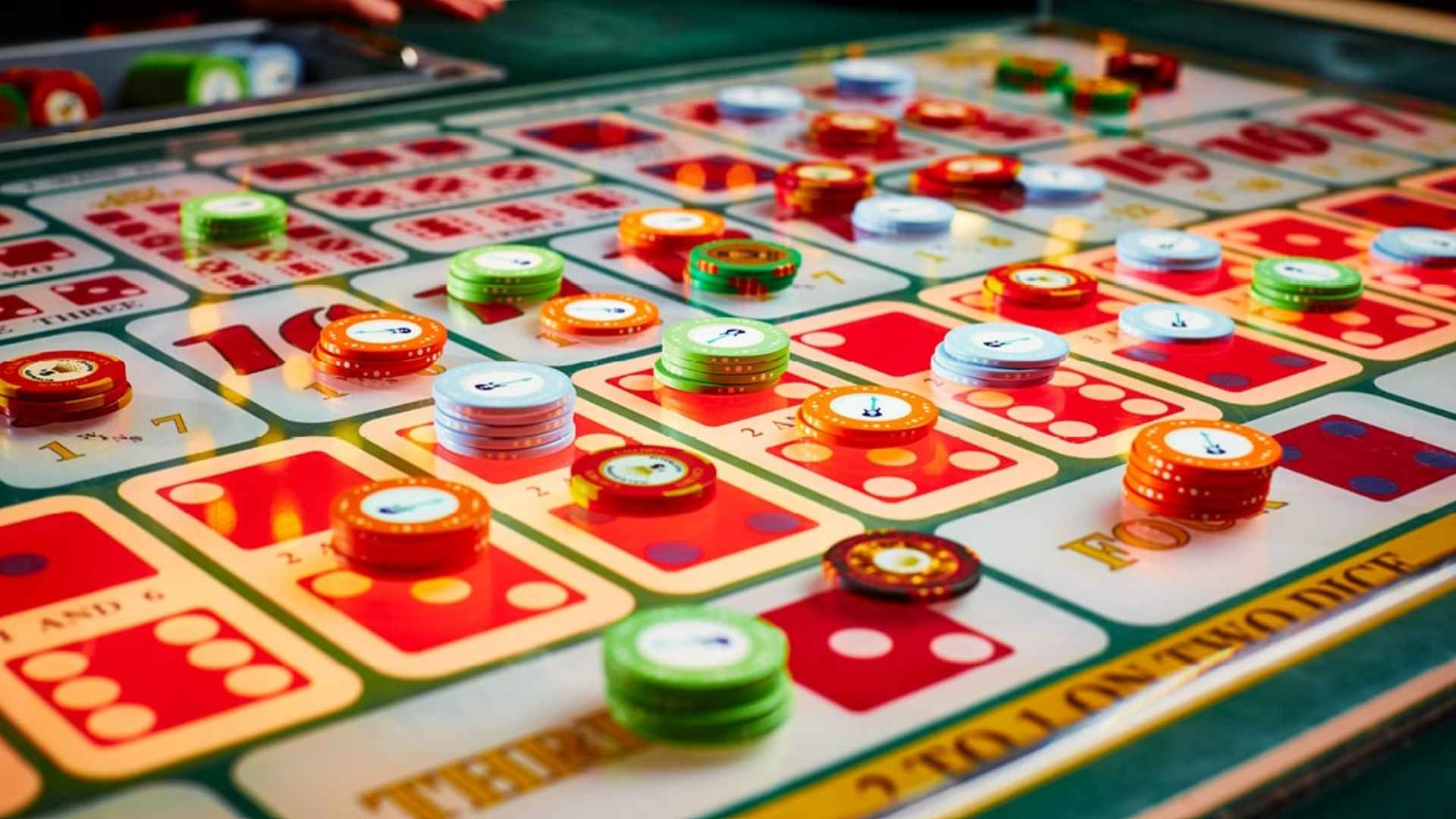
Modern educational environments are shifting away from traditional rote memorization toward dynamic, student-centered methodologies. Implementing interactive brain challenges in classrooms has become an effective strategy to stimulate cognitive engagement and critical thinking. These activities encourage learners to actively solve problems rather than passively absorbing information from lectures.
The Evolution of Cognitive Engagement
Traditional learning structures often struggle to keep digital natives fully engaged during complex lessons. By introducing interactive puzzles and logic-based games, educators can create a more vibrant atmosphere that builds analytical capabilities. This practical approach helps students transition from emotional responses to structured data analysis when facing difficult problems.
Furthermore, active learning exercises foster healthy collaboration among peers as they work together to decrypt complex patterns. Students naturally develop better communication skills while debating various strategic approaches to a shared problem. This collaborative environment ensures that knowledge retention increases significantly compared to static textbook teaching.
Gamification and Problem Solving
Integrating game design elements into non-game contexts has proven to be highly beneficial for adolescent cognitive development. Gamified challenges offer immediate feedback loops, allowing students to observe the results of their decisions in real time. This immediate response mechanism helps them understand abstract mathematical and logical theories more tangibly.
Many digital platforms now offer tailored puzzles that simulate unpredictable scenarios to test logical deduction capabilities. When exploring these interactive resources, utilizing a verified portal like m88 login terbaru can provide an interesting look into how systematic random variables function. Engaging with these digital frameworks trains the brain to calculate potential risks and rewards objectively.
Balancing Logic and Analytical Reasoning
Developing robust problem-solving skills requires regular mental exercises that challenge traditional deterministic thinking structures. Strategic puzzles force students to evaluate multiple potential outcomes before making a final decision. This systematic training prepares them for real-world scenarios where data is often incomplete or uncertain.
Moreover, these activities help reduce academic anxiety by framing complex problem-solving as an enjoyable activity. Instructors notice that students are more willing to risk making mistakes when the challenge is presented as a game. Over time, this resilience builds personal confidence and a long-term passion for mathematical reasoning.
Practical Implementation in Classrooms
Educators looking to introduce these concepts can start with simple dice games, card challenges, or digital logic puzzles. The primary goal is to focus on tracking recurring patterns and analyzing outcome distributions systematically. Consistent practice with these short exercises during morning routines can sharpen critical thinking skills continuously.
Ultimately, interactive brain challenges serve as a vital bridge between theoretical knowledge and practical life skills. By transforming abstract formulas into hands-on experiences, schools can better prepare the next generation for future academic hurdles. Maintaining a balanced mix of play and structured study ensures a highly effective educational journey.