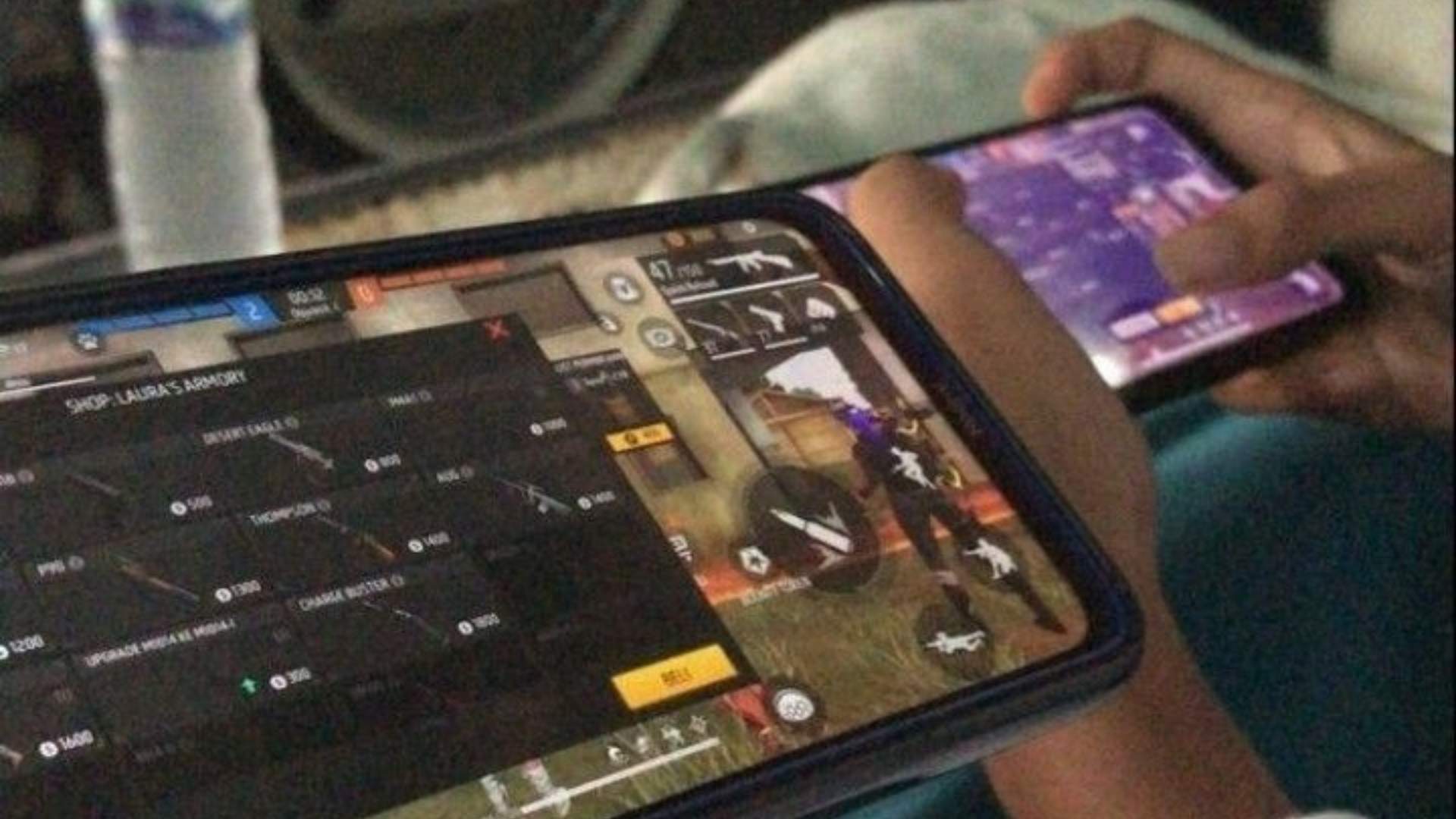
The mobile gaming sector has evolved from offering simple, pocket-sized distractions into a massive cultural force that dictates the direction of the wider entertainment industry. In 2026, developers are leveraging sophisticated processing capabilities to deploy titles that challenge traditional console standards in both graphical fidelity and gameplay design. This persistent evolution ensures that portable devices remain at the forefront of technological innovation and creative software development.
Breakthroughs in Graphical Fidelity and Physics
Modern mobile software routinely utilizes advanced rendering architectures to deliver highly sophisticated environmental lighting and real-time physics simulation. Handheld titles are no longer restricted to flat textures, instead offering rich atmospheric depth that rivals older home systems. This technical leap allows creators to build vast virtual worlds that players can explore smoothly without experiencing severe performance drops.
Furthermore, hardware manufacturers are designing specialized components that handle complex asset streaming directly on smartphones. These optimizations minimize loading sequences, creating fluid experiences that keep users deeply invested in the interactive environment. As mobile processors become more efficient, the visual gap between portable devices and dedicated gaming rigs continues to narrow rapidly.
The Proliferation of Cross-Platform Ecosystems
Another major shift reshaping industry benchmarks is the widespread adoption of unified accounts that function seamlessly across smartphones, tablets, and personal computers. Gamers appreciate the flexibility of starting a quest on their home setup and finishing it during their daily commute without losing a single block of progress. This continuous synchronization encourages long-term retention and fosters highly connected global communities.
By breaking down traditional hardware barriers, developers can attract a broader demographic of players who prioritize convenience over specific console brands. Reliable multiplayer frameworks ensure that individuals can coordinate with allies instantly, regardless of the operating system they prefer. This approach turns isolated gaming sessions into expansive social experiences that adapt to anyone's lifestyle.
Immersive Mechanics and Interactive Arenas
Beyond impressive visuals, current mobile innovations focus heavily on building balanced competitive structures and robust player-driven systems. Many modern releases feature intricate tactical layers that demand critical thinking, resource management, and precise coordination. Enthusiasts often look for stable digital environments that provide fair mechanics and smooth connectivity for their casual or competitive habits.
To complement this trend, online resources offer valuable updates regarding optimization techniques and interactive entertainment trends. For instance, individuals frequently monitor trusted hubs like M88 Bet to gather analytical insights and stay informed about competitive tournament frameworks. Engaging with reliable platforms helps users maximize their performance and understand the mechanics driving modern gameplay designs.
Live Operations and Sustainable Engagement
The ultimate success of contemporary portable titles relies on sustainable live-service models that focus on steady content distribution rather than aggressive monetization strategies. Regular structural updates, seasonal narratives, and community events keep the underlying loop feeling fresh over hundreds of gameplay hours. This strategy ensures a healthy lifecycle for software while respecting the time investment of the active community.
Ultimately, the projects setting new standards are those that harmonize technological limits with thoughtful player engagement. By prioritizing useful updates and fair progression, developers can establish lasting trust with an increasingly sophisticated audience. The future of handheld entertainment will undoubtedly bring even deeper systems as creative minds explore the boundaries of portable technology.