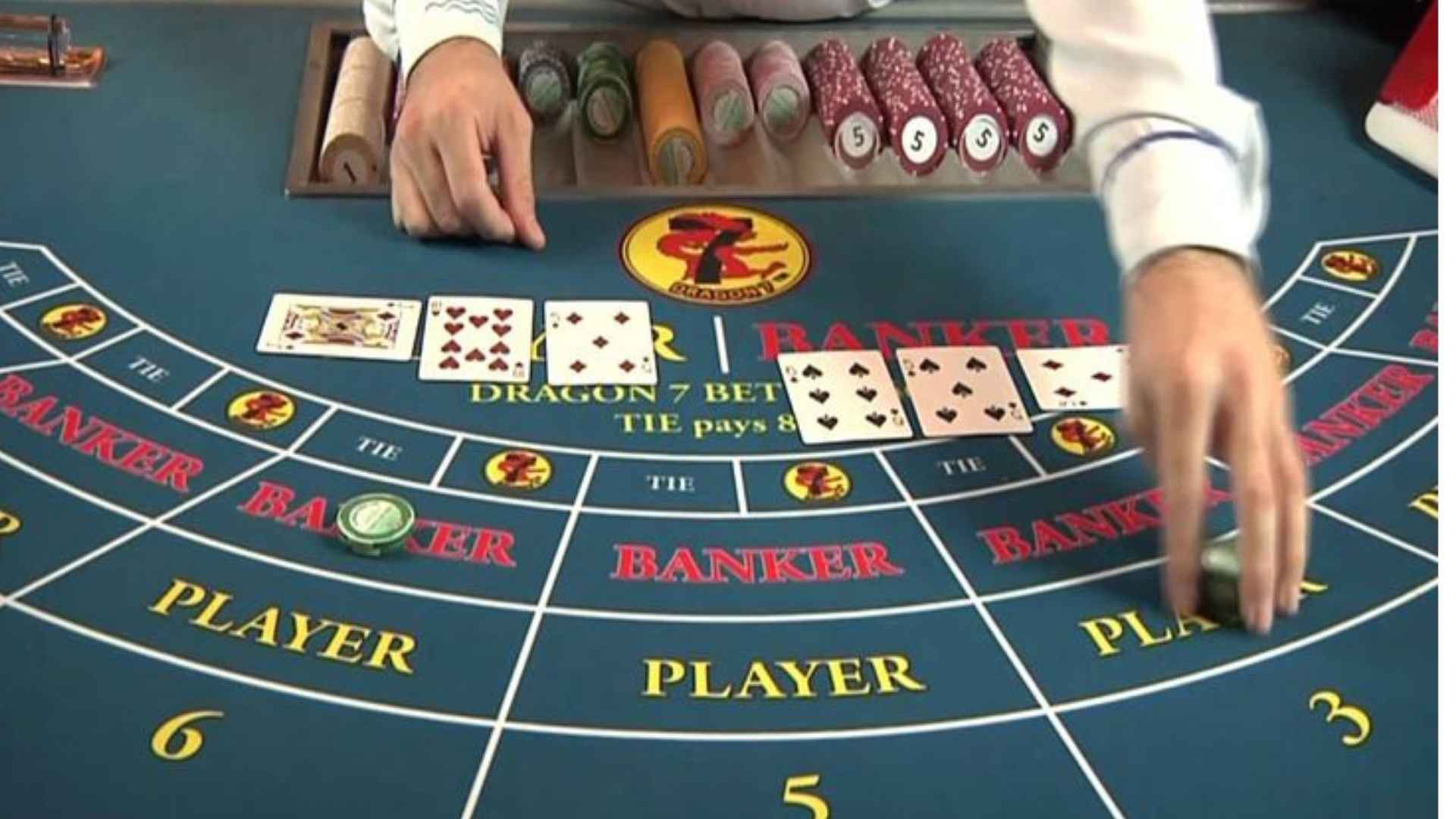
Baccarat tournaments present a unique endurance test that differs significantly from standard, quick casino sessions. Engaging in multi-round events requires players to maintain high levels of focus and tactical precision over several hours. Succeeding in this demanding environment relies heavily on pacing your energy and adapting to changing table dynamics.
Managing Cognitive Fatigue Over Multiple Rounds
Prolonged mental effort during extended card competitions naturally leads to decision fatigue and decreased alertness. To combat this, players must utilize scheduled breaks effectively to rest their minds and reset their concentration. Keeping a steady mental baseline ensures you make logical choices during critical elimination points.
Physical comfort also plays a major role in sustaining your cognitive performance throughout the day. Choosing an ergonomic posture and staying properly hydrated can prevent the sluggishness that often sets in during late-stage brackets. Small physical adjustments can yield massive tactical advantages when the tournament wears on.
Tracking Opponent Chips and Leaderboard Status
In a long tournament format, your immediate card combinations matter less than your relative chip standing. Constantly monitoring the chip stacks at your table allows you to adjust your wagering sizes before the blinds increase. Analytical players use this data to identify which opponents are playing conservatively and which are desperate.
To stay updated on optimal strategies and tournament systems, verifying the m88 login terbaru platform provides competitive insights. Understanding how leaderboard benchmarks shift across consecutive rounds helps you time your aggressive wagers accurately. Balancing risk according to the overall field progression is essential for survival.
Pacing Your Bankroll for Advanced Stages
Early rounds in extended baccarat competitions demand strict capital preservation to avoid early elimination. Placing large, speculative bets too early often leaves you short-handed when the high-value rounds arrive. A disciplined approach during the opening deals keeps your stack viable for the real competitive push.
As the tournament progresses, shifting from a defensive strategy to targeted aggression becomes necessary. You should capitalize on favorable table positions, especially when acting last in the betting rotation. This allows you to counter the wagers of your direct rivals based on clear information.
Mastering Table Position and Timing
Table position dictates your strategic options due to the moving first-bet marker used in tournament structures. Acting late in a betting sequence provides a substantial informational advantage over the rest of the table. Elite players leverage this position to match or counter the patterns of their closest chip rivals.
Timing your maximum wagers requires waiting for moments when the table leaders are forced to bet first. Capitalizing on these tactical windows allows you to maximize your returns while minimizing exposure to unnecessary risks. Patience remains the most valuable asset during these lengthy competitive marathons.
Maintaining Psychological Discipline Under Pressure
Reaching the final tables of a prolonged event introduces intense emotional pressure that can cloud objective judgment. Seasoned competitors practice strict emotional control to ignore temporary setbacks and minor bad beats. Remaining calm under pressure separates eventual champions from the rest of the field.
Reviewing your performance after long sessions provides the necessary feedback to refine your future methodologies. Documenting key hands and tracking how your focus fluctuated helps build long-term tournament stamina. Dedication to these preparation habits transforms casual table enthusiasts into formidable tournament players.